
Weeks 1–2
Pain
Calm the joint down.
Manual therapy and targeted modalities reduce inflammation and take the edge off pain, starting your very first visit.
What We Treat
The stiffness that takes twenty minutes to work out every morning. The stairs you take one at a time now. It’s more manageable than you think. It starts with a root-cause evaluation of what’s fueling the inflammation, not just masking it.
Sound Familiar?
You’re the one who’s never slowed down for anything, not even this. Which is exactly why you talked yourself out of calling for this long. Two or more? Keep reading.
Why It Happens
Joint pain isn’t purely “wear and tear.” It’s often driven by inflammation, and inflammation has real, addressable contributors: lifestyle habits, nutrition, stress levels, and how much, or how little, you move. None of that shows up on an X-ray alone. That’s why we start with a root-cause evaluation, not just an X-ray and a pain scale.
Rest and pain medication can quiet the ache without addressing what’s fueling it. Manual therapy and targeted mobility work calm the joint directly, and looking honestly at the lifestyle factors feeding the inflammation gives that joint a better environment to move well again, instead of just managing the pain forever.
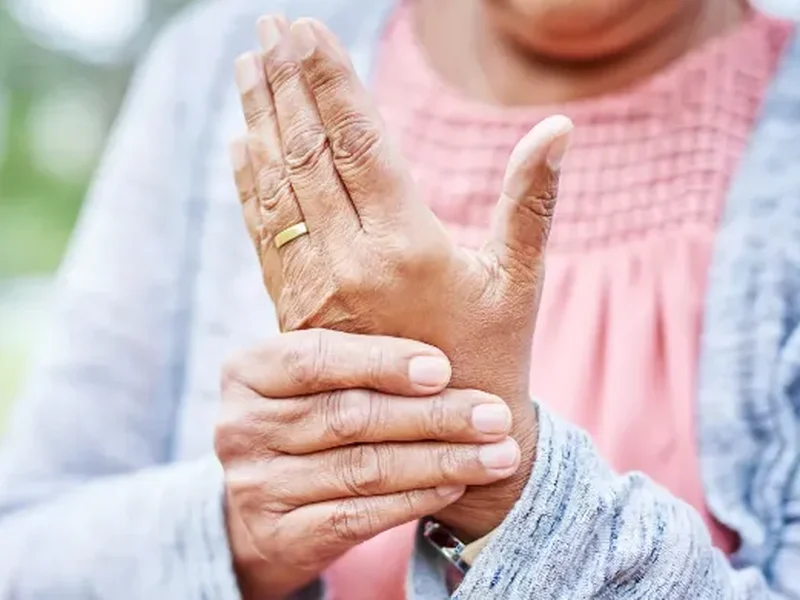
The Honest Truth
Every week you wait, those joints get stiffer and those muscles get weaker. The stairs don’t get easier on their own, and neither does the garden.
How We Fix It
You get a plan with an endpoint, built one-on-one with a Doctor of Physical Therapy, every visit. Here’s what the four phases look like for arthritis.
Weeks 1–2
Pain
Manual therapy and targeted modalities reduce inflammation and take the edge off pain, starting your very first visit.
Weeks 2–6
Prime
Targeted mobility work restores range in the stiff joint segments that have been quietly guarding themselves.
Weeks 6–10
Perform
Progressive strengthening around the joint takes pressure off it and gives it real support again.
Weeks 10+
Prevent
A maintenance plan with real lifestyle guidance, movement and load management, keeps flare-ups further apart: that’s the endpoint, not another prescription refill.
I’m a senior person with arthritic knees that make walking difficult, and I hate to exercise. Dr. Wong and my therapist taught me ways to compensate for my bad knees with exercises that are simple, easy, and effective.
Shared by Evelyn J. · Arthritis
Week 1: couldn’t kneel down to garden
Week 10: back in the garden most mornings
Questions, Answered
While arthritis itself can’t be reversed, the pain and stiffness that come with it usually can be improved quite a bit. Manual therapy, targeted strengthening, and addressing the lifestyle factors that feed inflammation, like activity level and daily habits, often make a real difference in how the joint actually feels day to day.
No, appropriately dosed movement is one of the best things for an arthritic joint. It keeps the surrounding muscles strong and helps circulate the fluid the joint needs to move well. The key is dosing the right movement for your specific joint, which a Doctor of PT sorts out at your evaluation, then progresses safely as you improve.
Most patients feel meaningful change within 4–6 visits. A full plan runs through all four phases, Pain, Prime, Perform, and Prevent, typically over 8–10 weeks, then shifts into an ongoing maintenance plan since arthritis is a long-term condition. Either way, you’ll always know which phase you’re in and what’s left, not an open-ended string of appointments.
Book Your Visit
Request a time and a real person calls you back, usually within two business hours. No phone tree. No ‘someone will reach out.’ Just a plan.
5.0 · 330+ Google reviews
Typical response: under 2 business hours
Step 1 of 5
That’s the hard part done. We’ll call during business hours to lock in your time. Most people are on the schedule same week.
Visit Us